
Between a solid domestic market, steadily growing exports, and ongoing investments in brand, culture, and territory, the Consortium closes 2025 with 18.9 million bottles sold and a clear strategy: strengthening the Franciacorta identity and accelerating internationalization.
In a far from simple year, 2025 sees Franciacorta closing with 18.9 million equivalent bottles sold. A slight decrease compared to the previous year, set against a complex macroeconomic backdrop marked by more cautious consumption and an unstable geopolitical scenario. In this context, staying the course is more than resilience.
Especially when value remains intact. The average shelf price, recorded by the Franciacorta Economic Observatory, stands at €24.45 per bottle. A figure that tells, better than any slogan, the strength of Franciacorta’s positioning, which for years has been a benchmark for high-quality Italian Metodo Classico. A solidity built over time through consistent investments in culture, image, and brand perception—decisive levers that have made, and will continue to make, the difference.
The domestic market remains the main pillar, absorbing 87.2% of total volumes. But it is exports that offer the most interesting signals for the future. In 2025, international sales grew by +5.3%, reaching 12.8% of the total. A clear sign: the direction is set.
“The signals coming from 2025 confirm Franciacorta as an increasingly solid, competitive, and internationally recognized denomination,” emphasizes Consortium President Emanuele Rabotti, highlighting how export growth and price stability are concrete proof of value acknowledged by the market.
Switzerland confirms its position as the leading foreign market, with a 22.7% share and growth of +8.4%. Japan shows significant acceleration (+22.4%), while the United States, despite tariffs and geopolitical tensions, closes in positive territory (+1.7%). Germany and Belgium also perform well, with Belgium posting a strong +15.4% compared to 2024. Looking further ahead, the Netherlands stands out with an impressive +37.7%, confirming increasingly broad, curious, and diversified demand.
These figures gain even more significance when viewed in perspective: compared to 2019, Franciacorta has grown by +7.8% in volume and +14.3% in average price. A snapshot of a denomination capable not only of withstanding turbulence, but of evolving and strengthening.
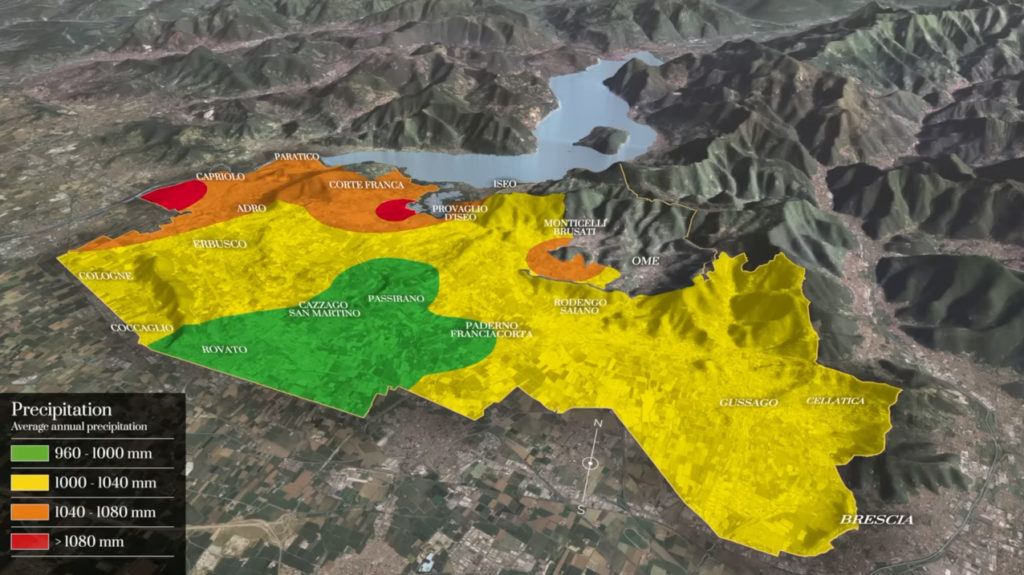
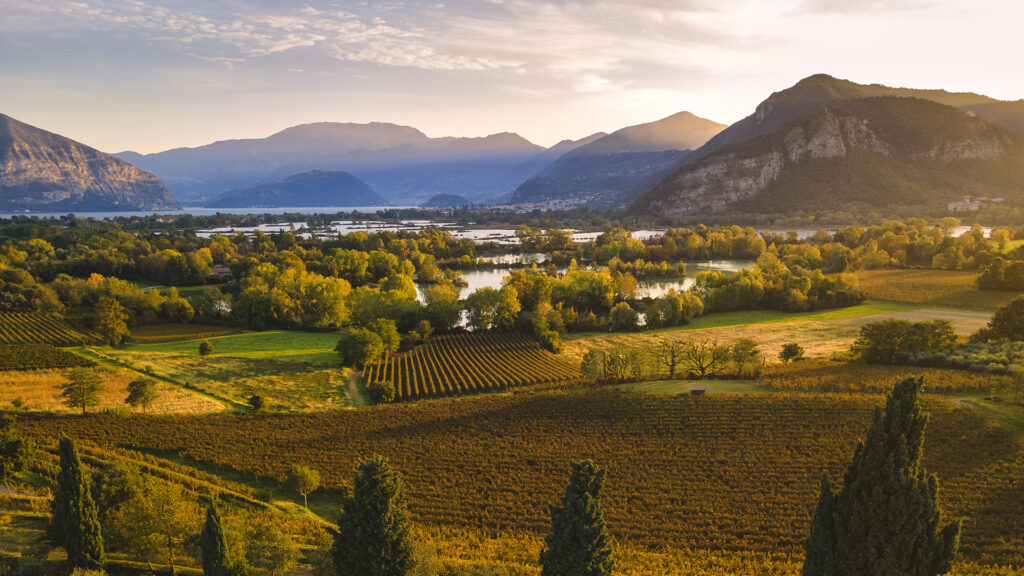
However, 2025 was not only a positive year commercially. It was also symbolic. The Franciacorta Consortium celebrated the 35th anniversary of its founding. Established in 1990, it now brings together over 200 members and more than 120 wineries across 19 municipalities, within the first Italian territory to obtain DOCG status for Metodo Classico. A rigorous and strongly identity-driven production model that, over time, has created a true wine community.
In the same year, Emanuele Rabotti was appointed President, marking a transition that speaks of continuity and vision. His personal and family history is deeply intertwined with that of the Consortium: his father, Paolo Rabotti, was among the founders and its first President. A connection that reinforces the idea of governance rooted in the territory, yet capable of understanding and interpreting global market dynamics.
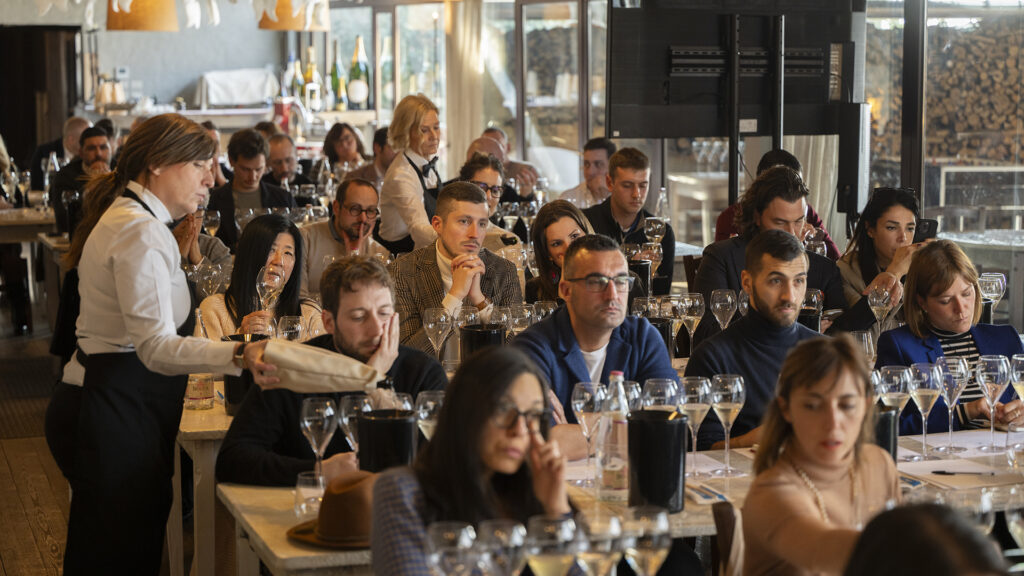
And it is precisely toward the future that Franciacorta looks with determination. The objective is clear: to further strengthen exports. To achieve this, the Consortium is pursuing a structured internationalization plan that includes promotional activities in key markets, partnerships with local operators, training events and tastings for press and consumers, and increasingly targeted digital communication to convey its identity and territory.
“On these solid foundations of strength and credibility, we will continue to invest,” Rabotti reiterates, “with the goal of consolidating Franciacorta’s identity and strengthening the system’s ability to generate excellence, with consistency and strategic vision.”
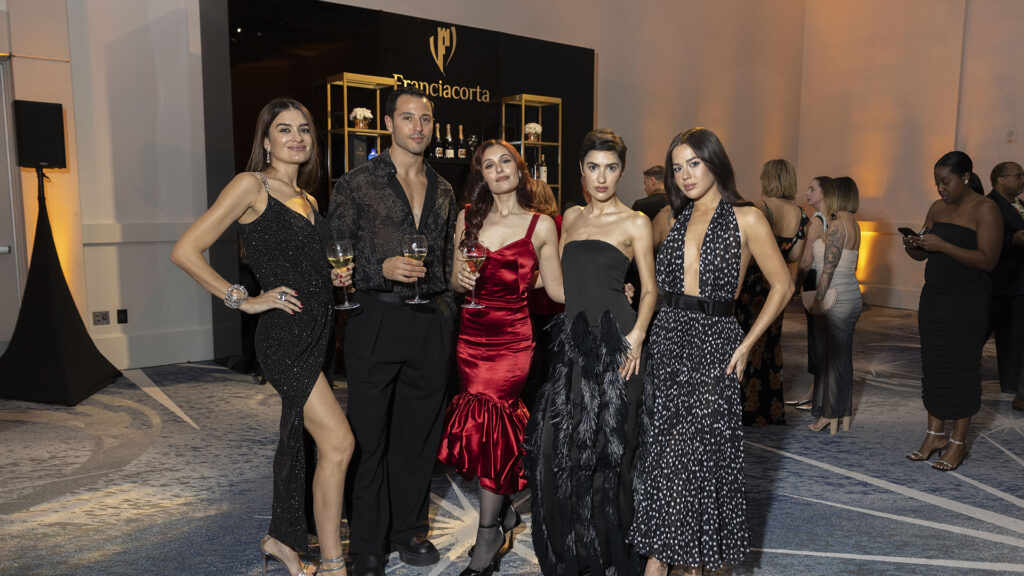
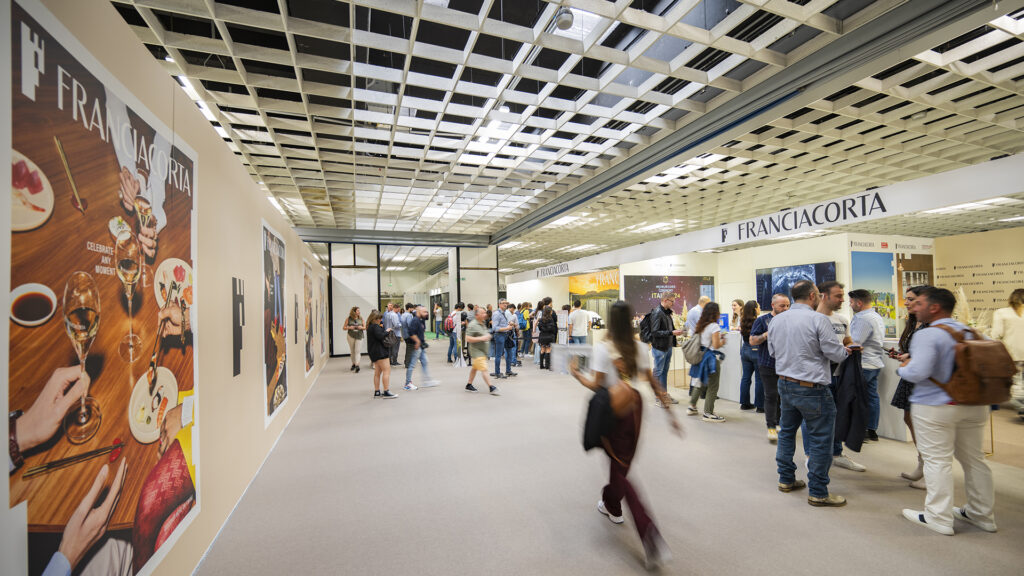
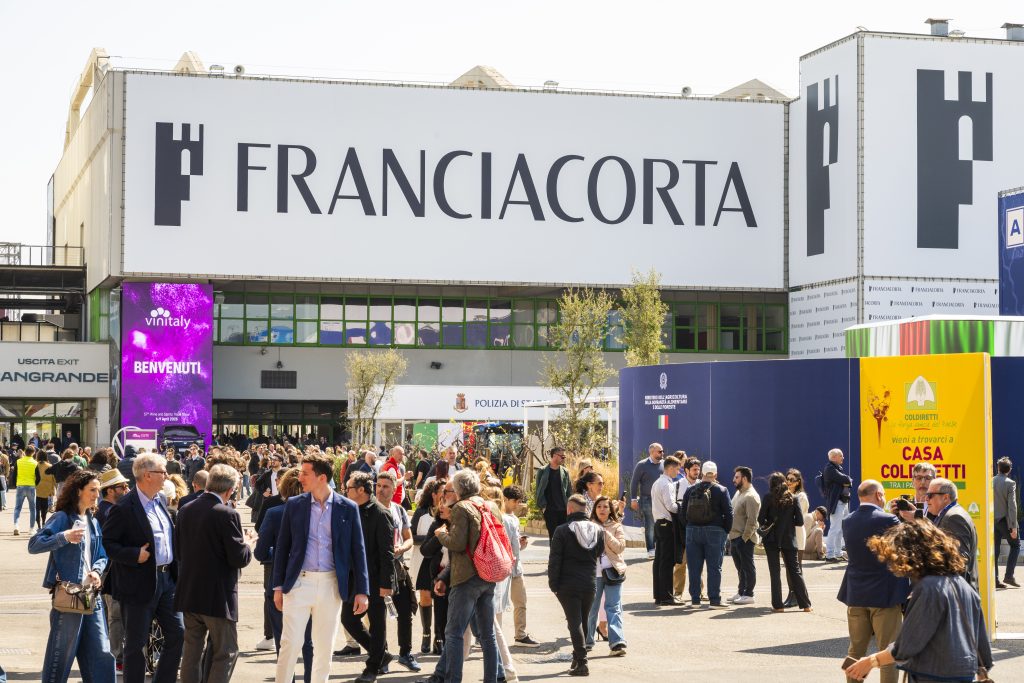
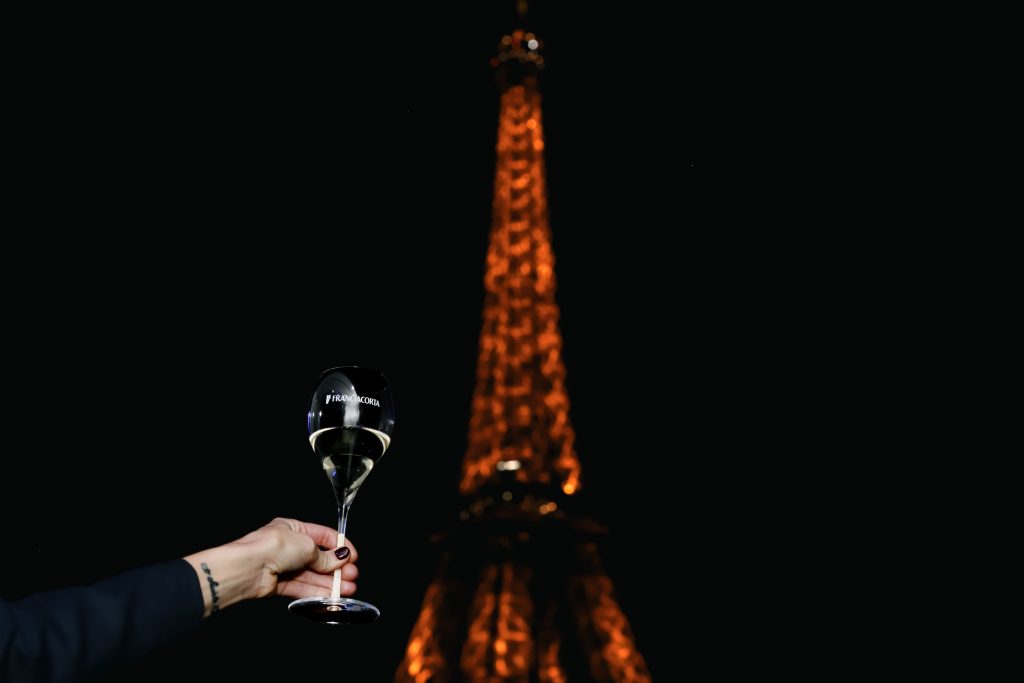
The 2026 calendar is already full of events: from the first participation at Wine Paris, featuring a large collective area, to Vinitaly, as well as the Franciacorta Spring Festival and the Festival in the Cellars—true wine lifestyle experiences capable of showcasing the territory to an ever-wider audience. Not to mention international stops, from Vienna to Miami, from Zurich to Los Angeles.
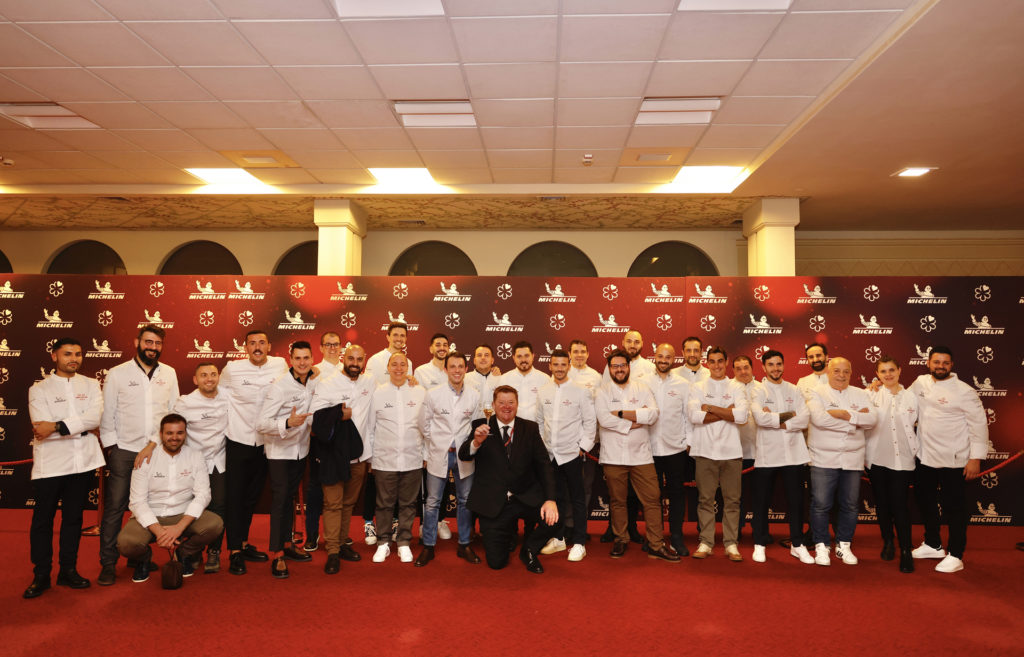
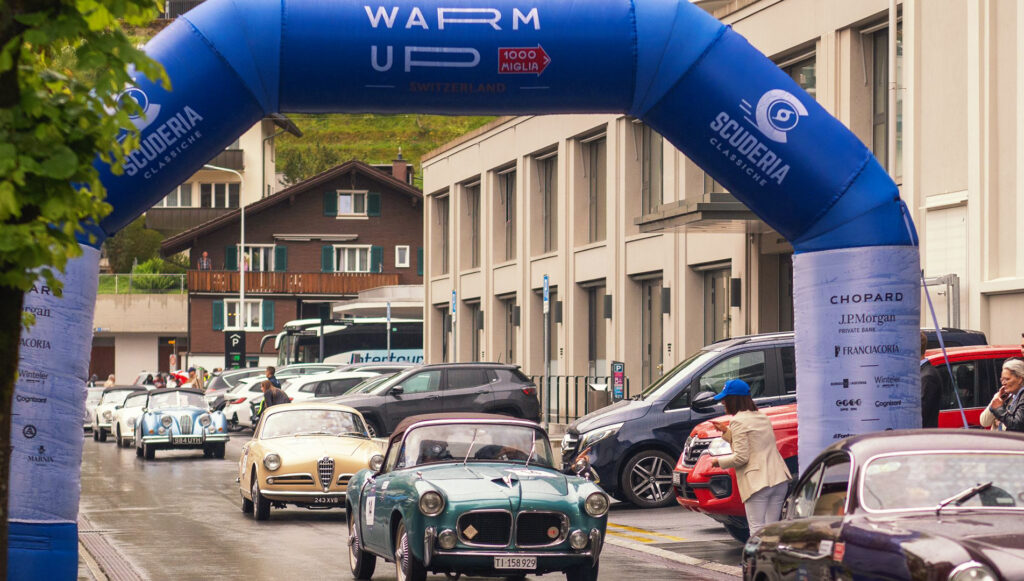
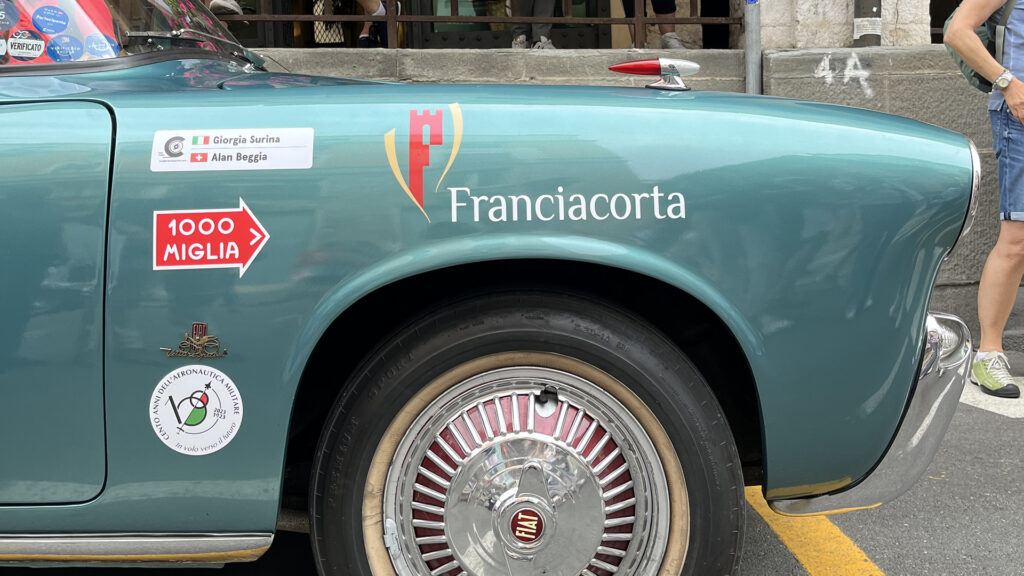
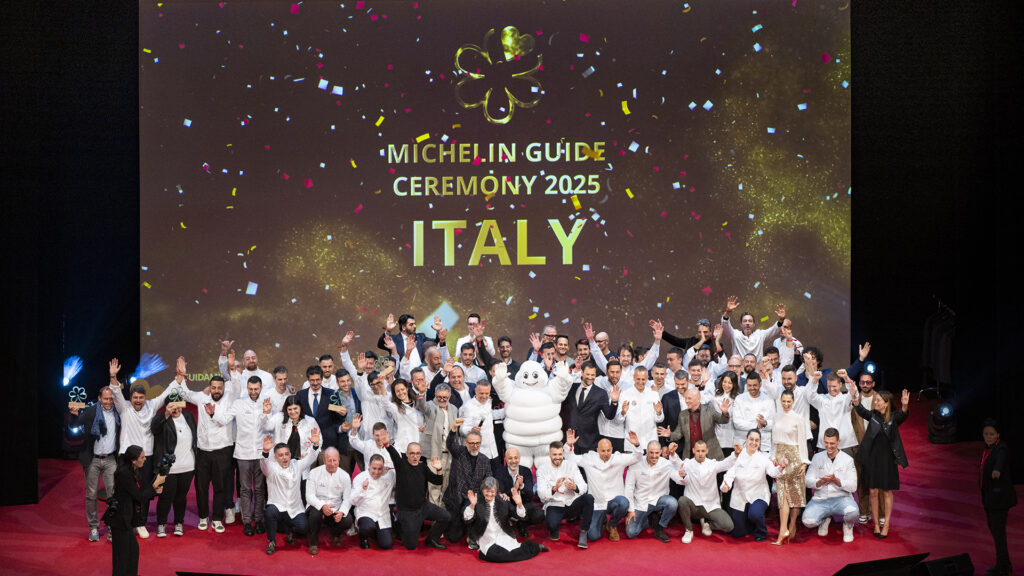
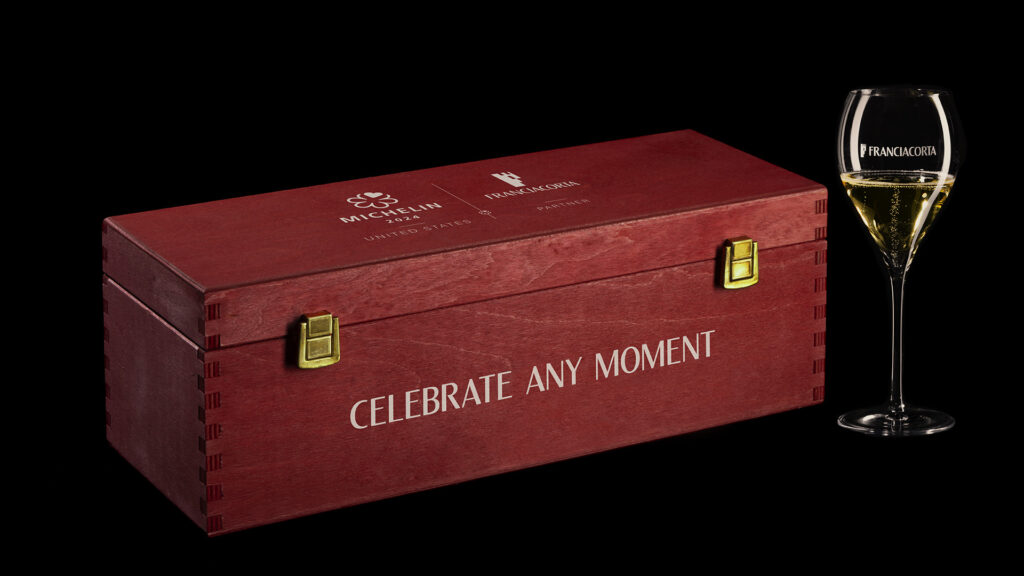
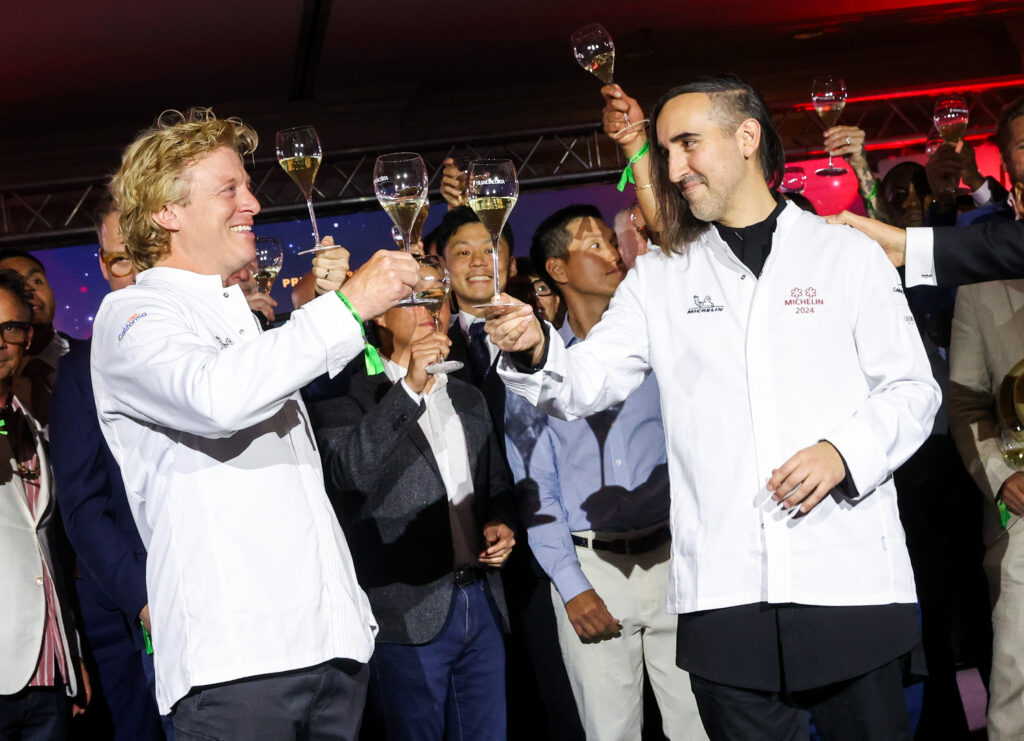
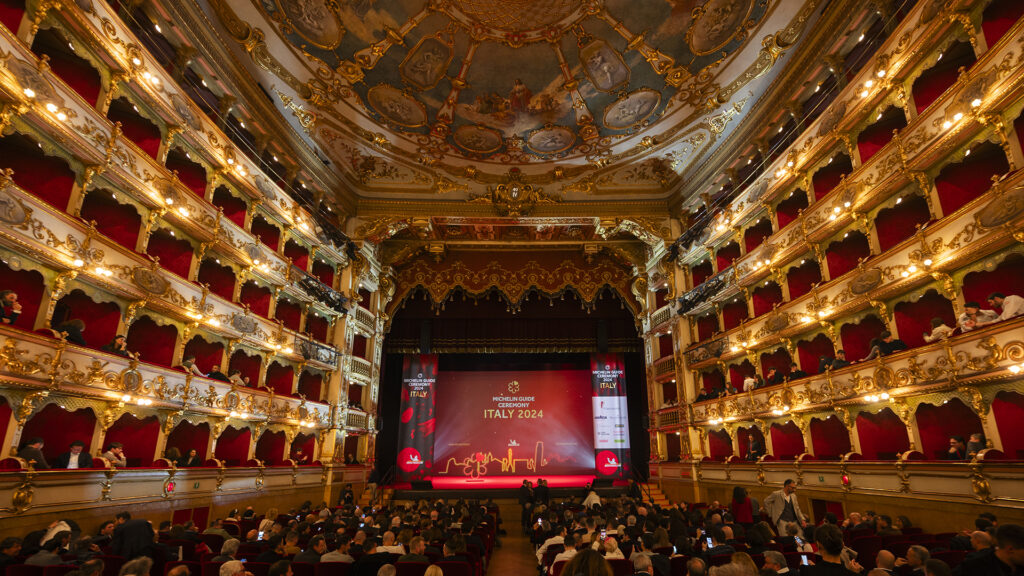
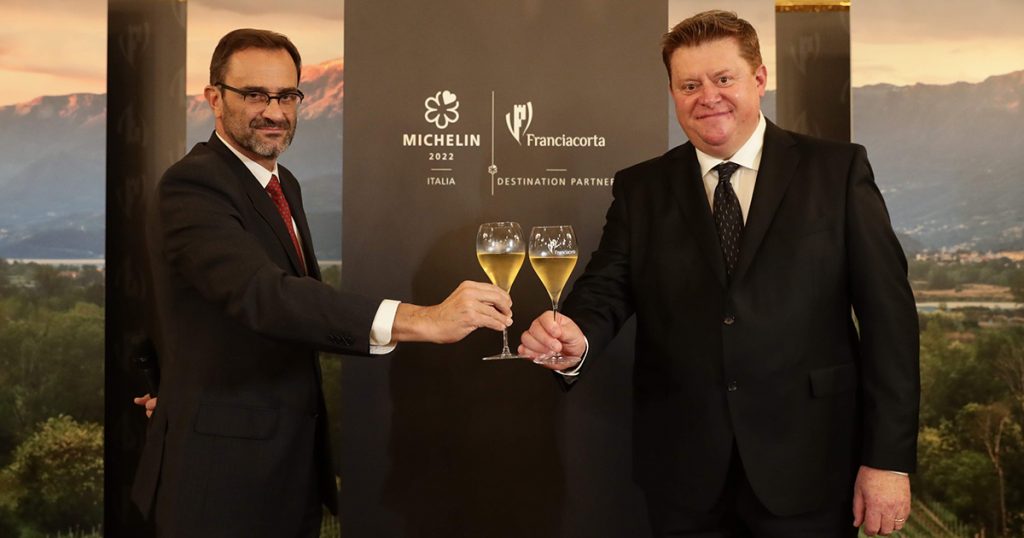
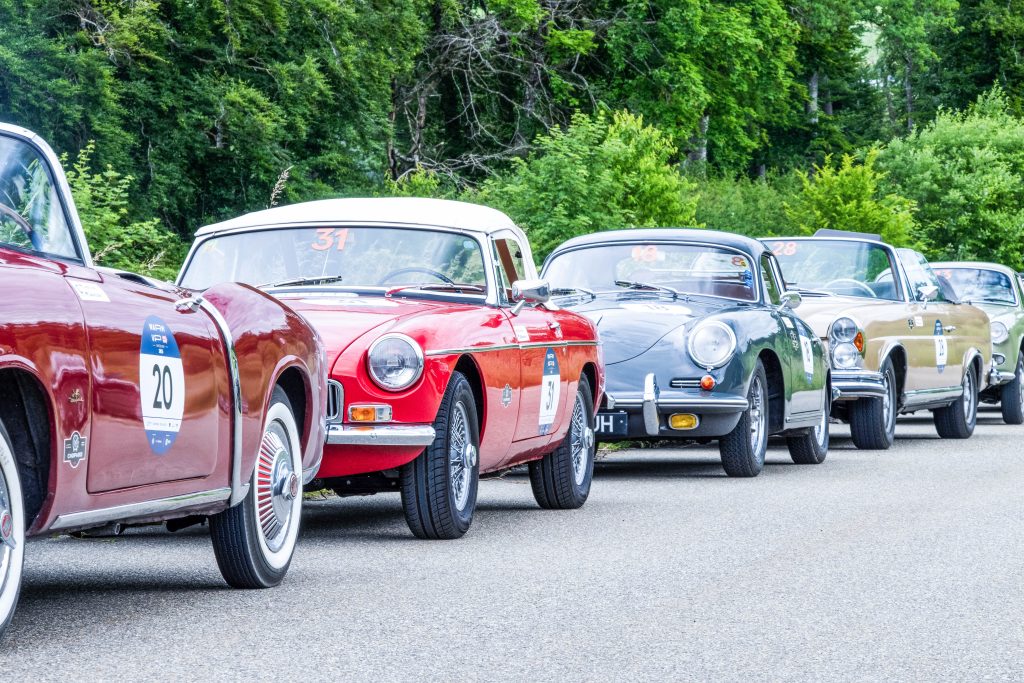
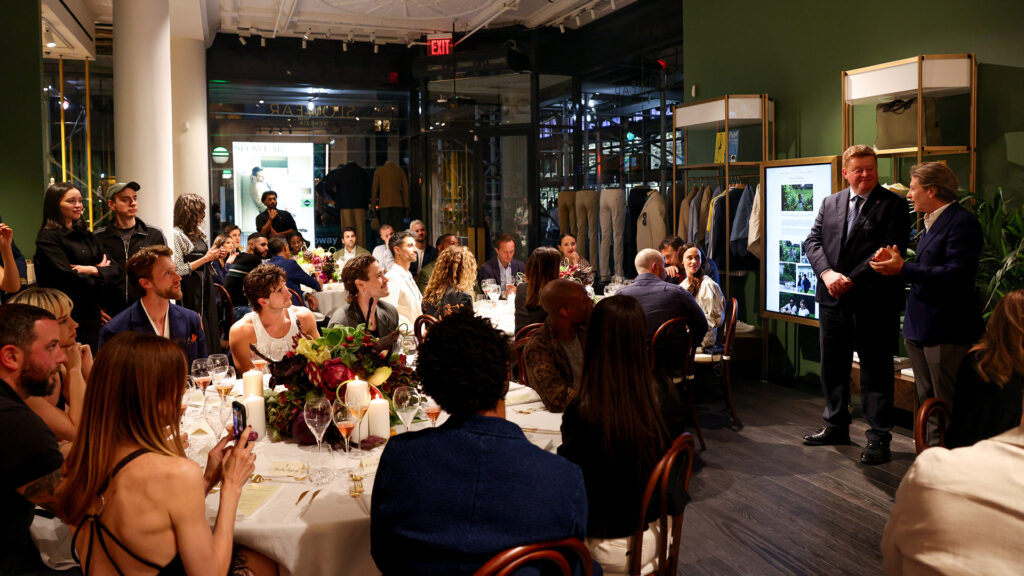
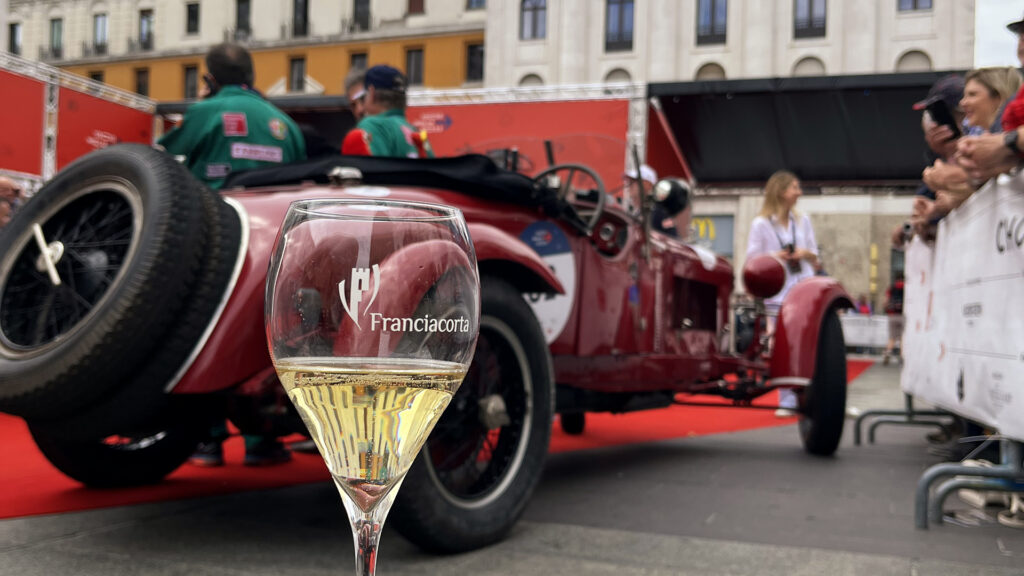
Completing the picture are prestigious partnerships with organizations such as the Camera Nazionale della Moda Italiana, the Michelin Guide Italy and USA, the 1000 Miglia, Porsche, and Slowear. Collaborations that position Franciacorta within contexts of excellence, where quality, style, and identity speak the same language.
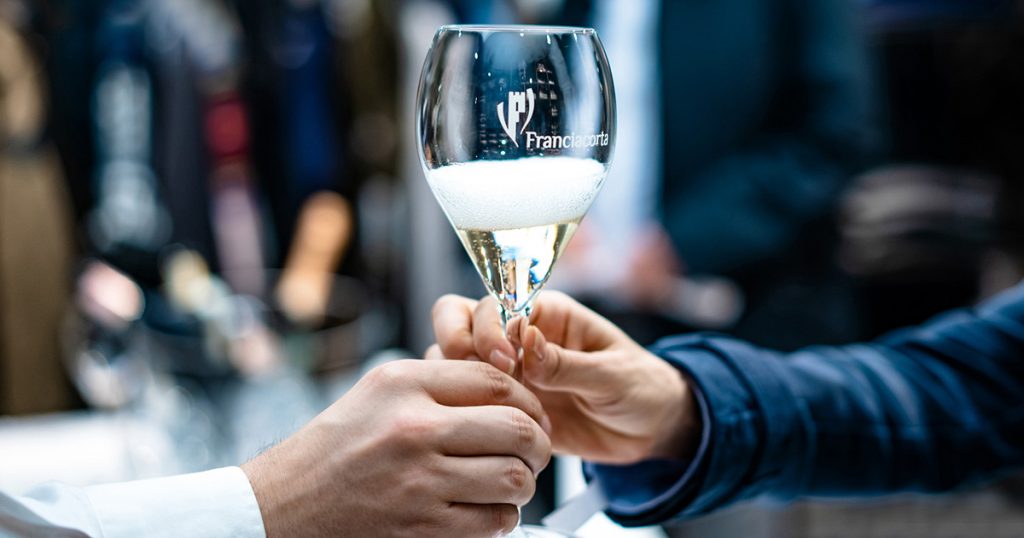
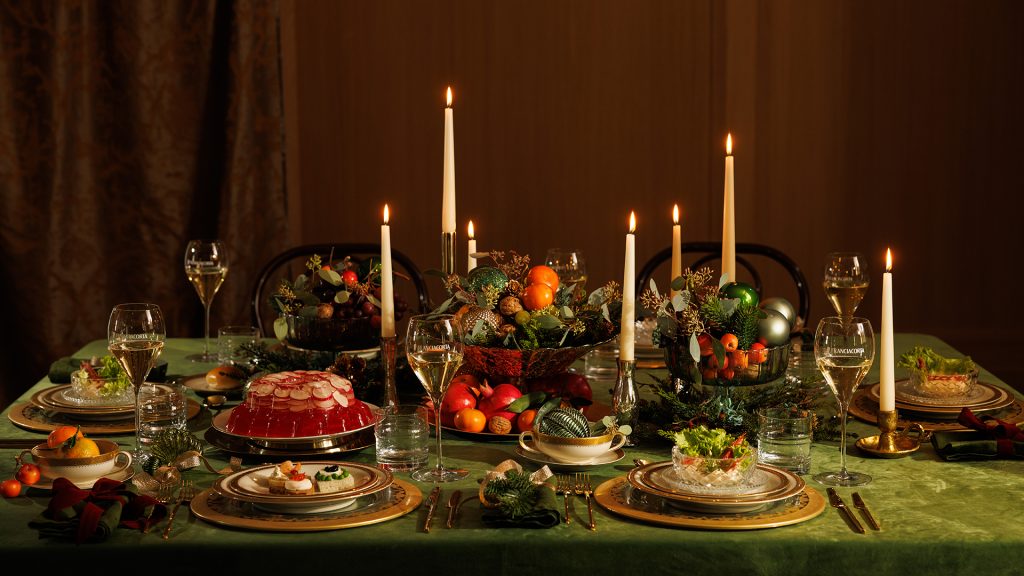
Almost 20 million bottles, yes. But above all, a perlage entirely made in Italy that has transformed numbers into vision.




 responsibly