
Franciacorta is a recognised name, associated with quality, a sense of place and special occasions. Yet its potential extends beyond the awareness it already enjoys: there is room to engage new consumers, explain more clearly what makes its production method distinctive, and introduce the wine into occasions beyond celebrations. This is a positive outlook, one that calls for making its identity more accessible and understandable while remaining true to it.
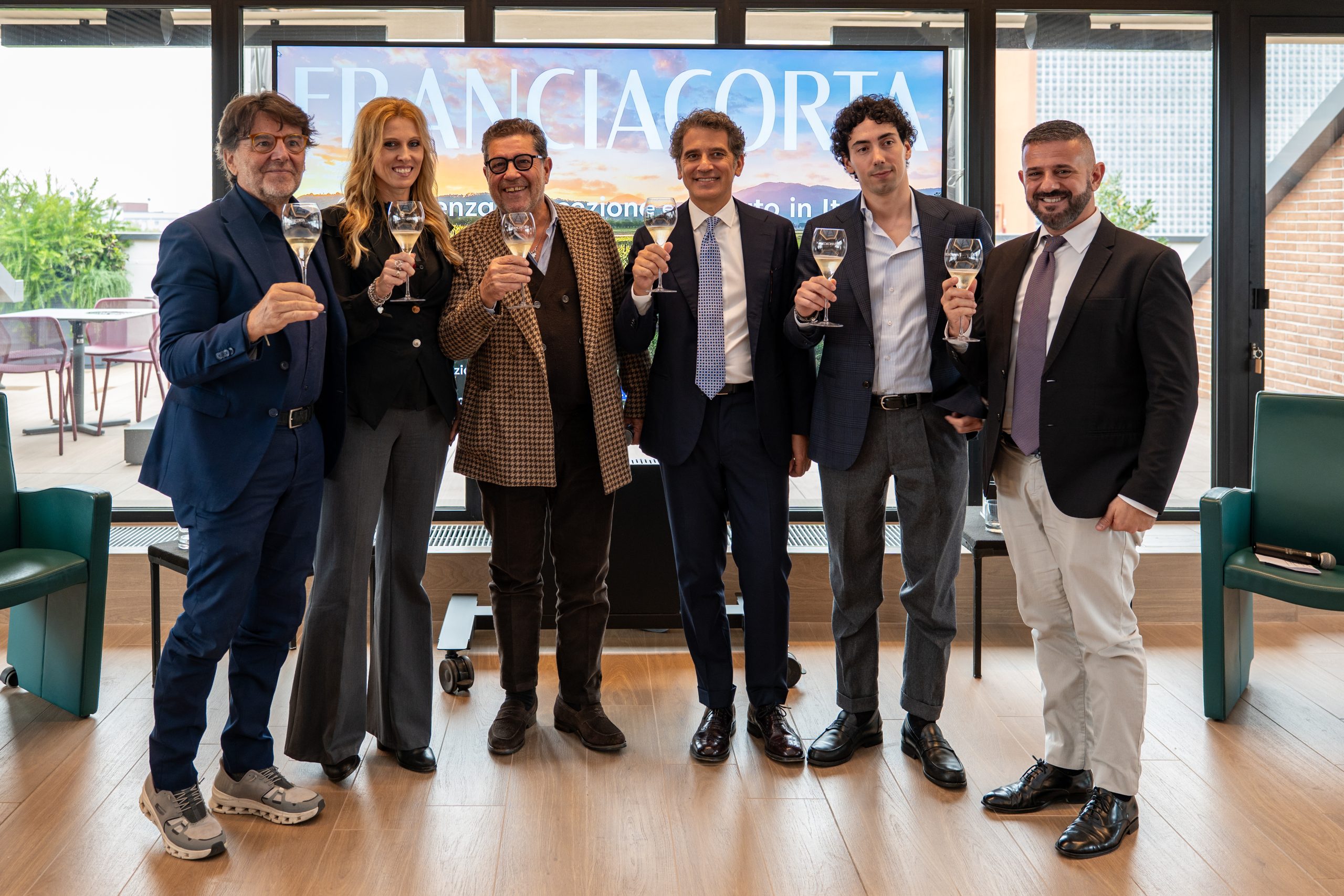
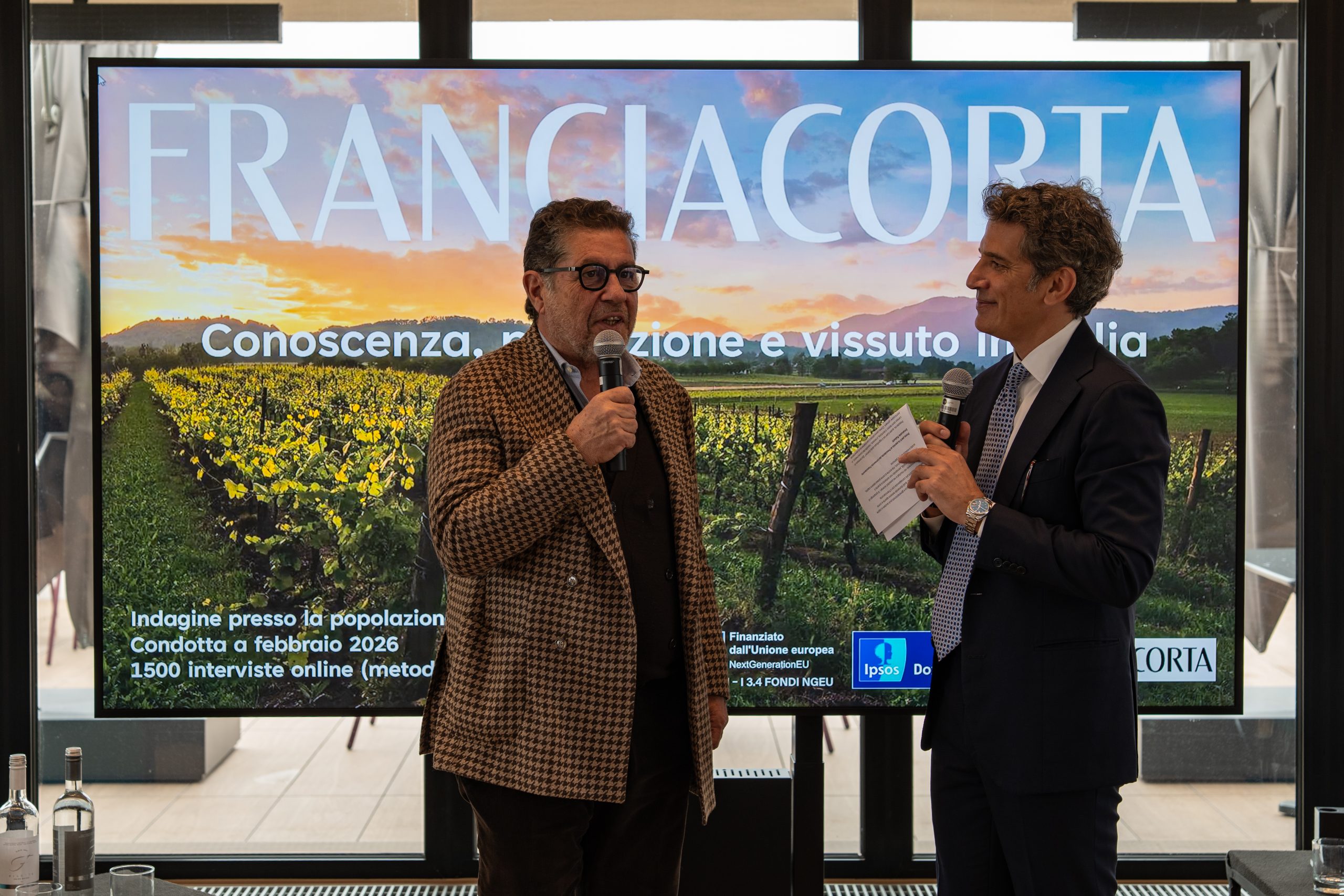
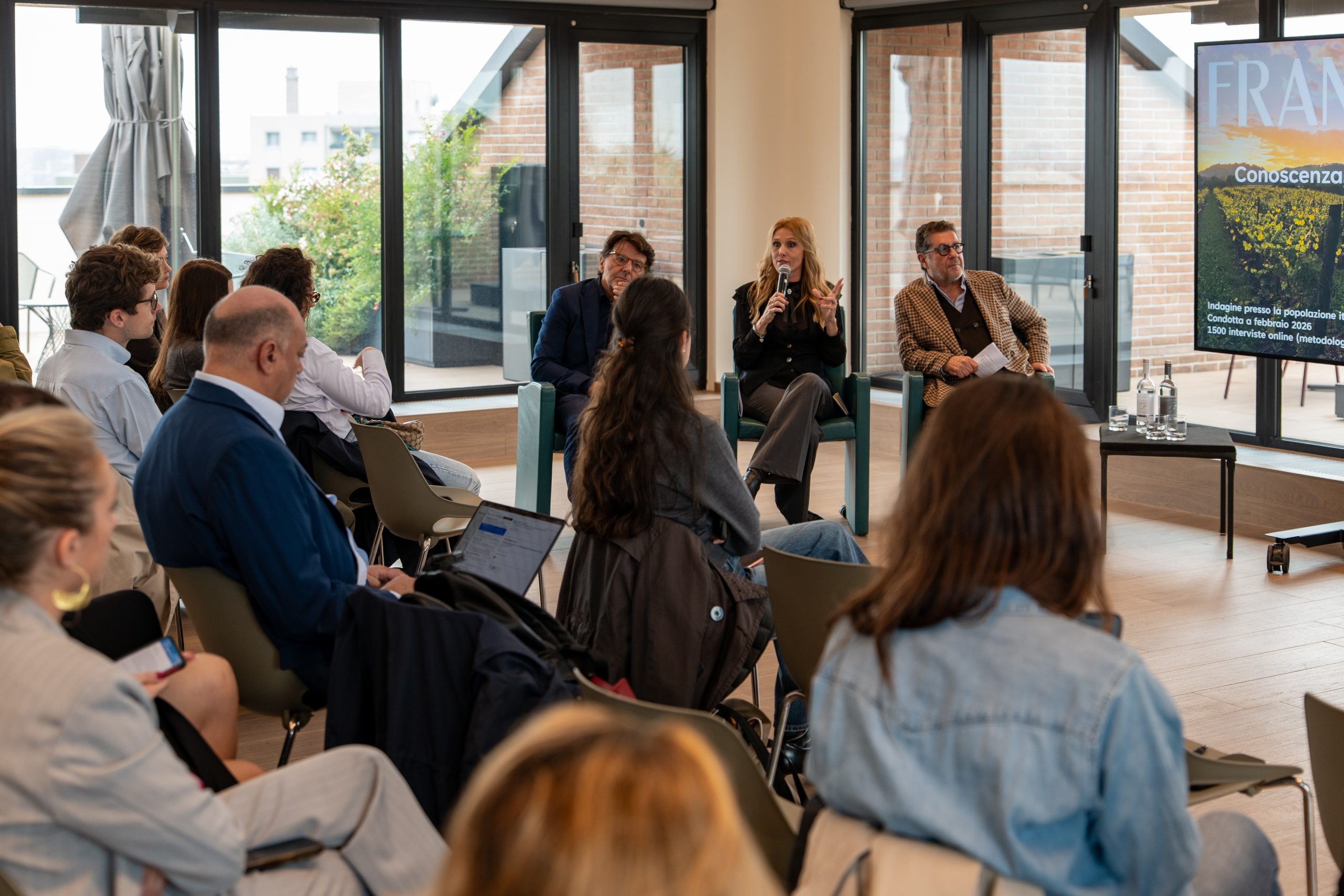
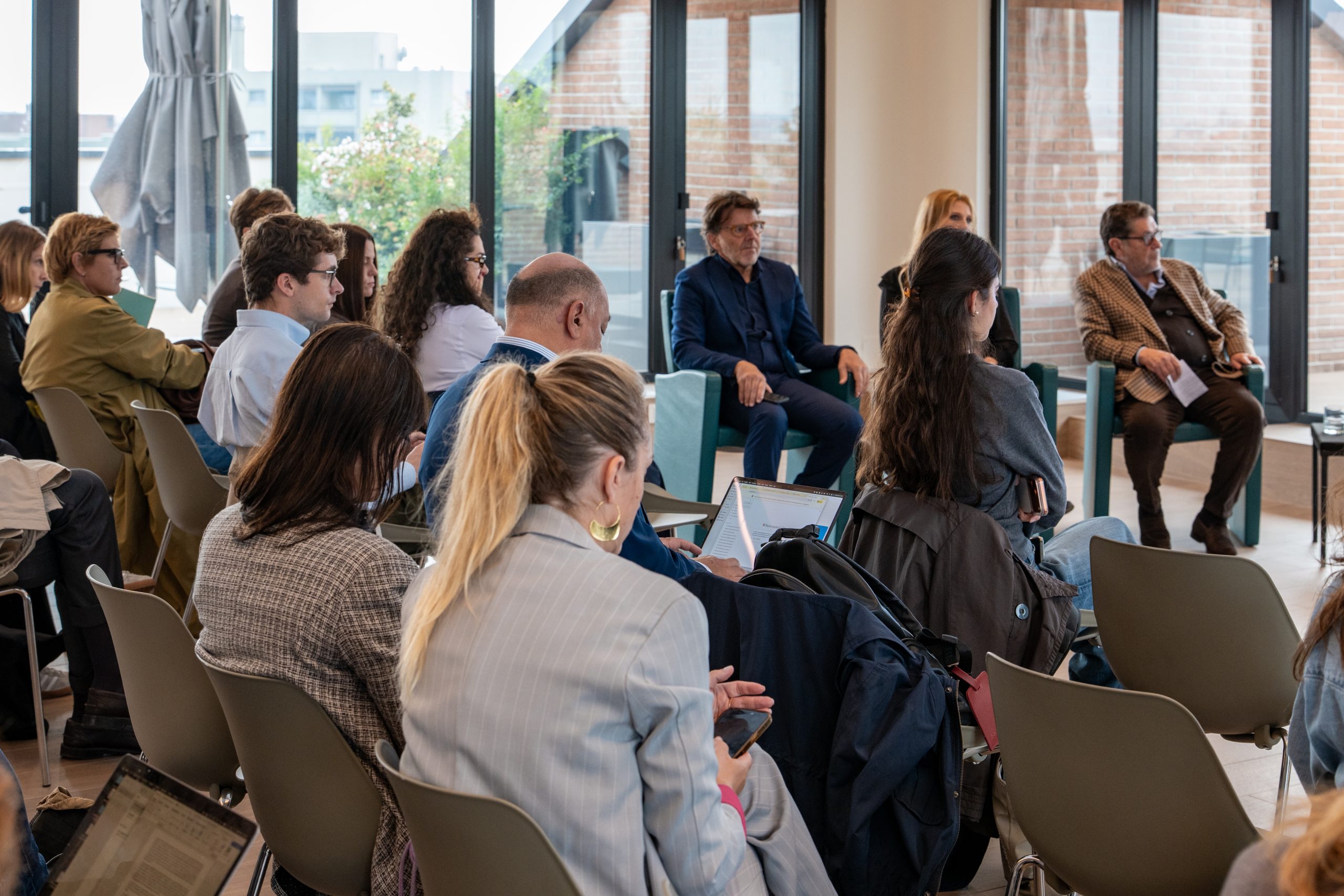
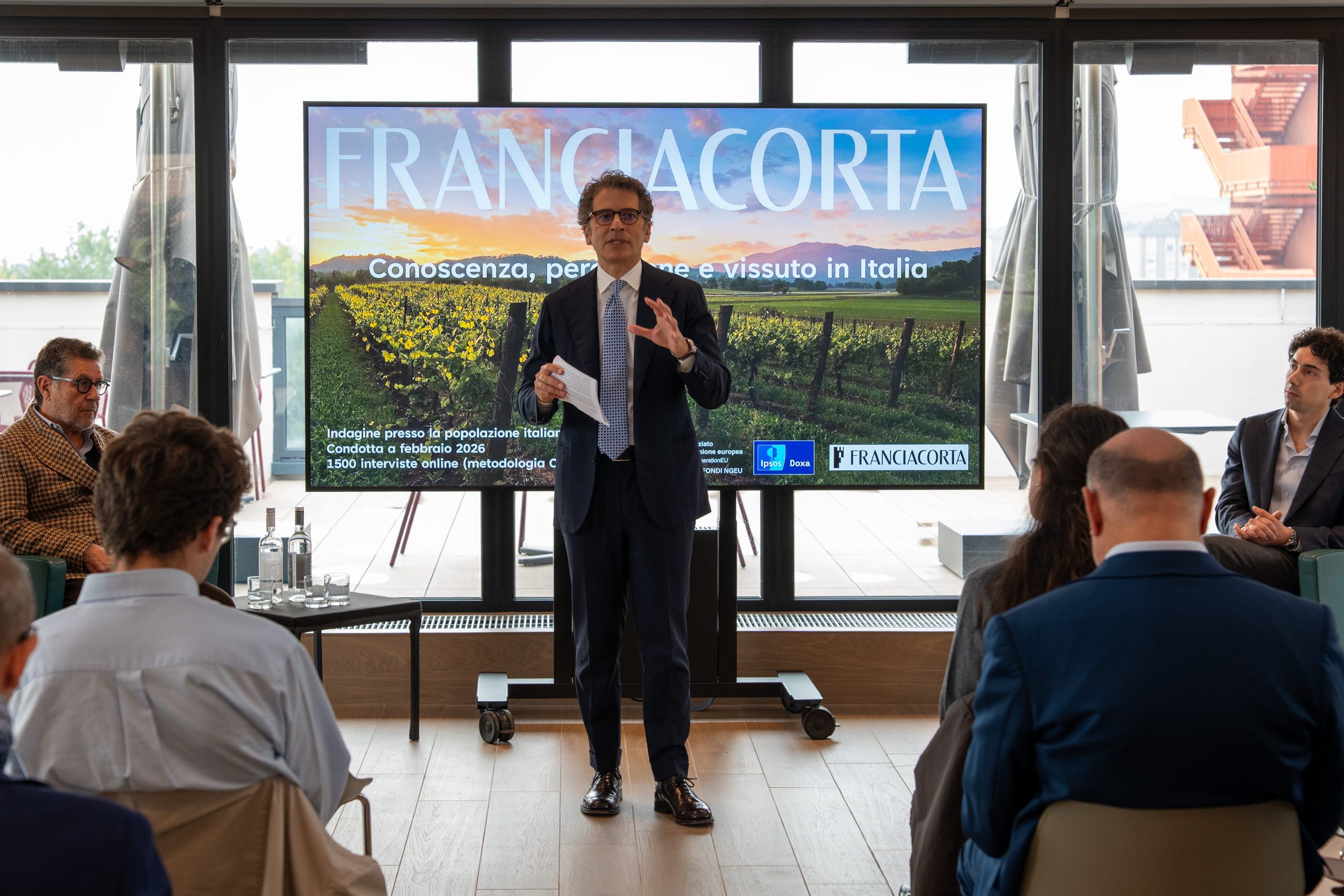
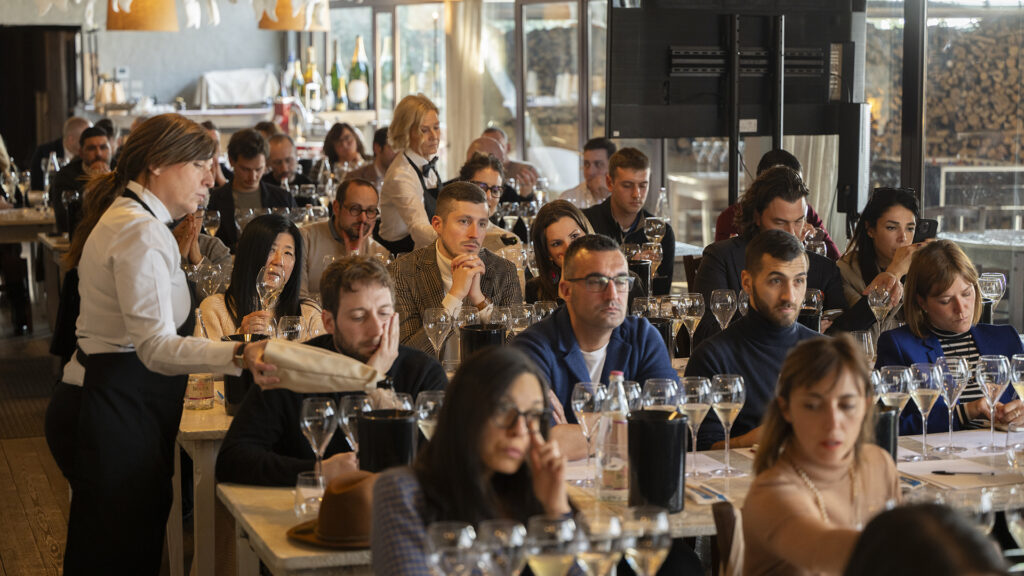
An Ipsos Doxa study presented at IULM University in Milan offers insight into how Franciacorta is perceived today. The presentation took place during a discussion moderated by journalist Dario Maltese, bringing together different perspectives on changing consumer habits and expectations. Conducted in February 2026 among 1,500 Italians aged 18 to 70, the survey paints an encouraging picture: 94% recognise the Franciacorta name, 75% have tasted it at least once, and 50% say they drink it. Even more interesting is the likelihood of future purchase, expressed by 74% of respondents. This provides a solid foundation for continuing to raise awareness of the appellation and the experiences surrounding it.
Perceptions of the wine are another asset to build on. Among respondents, 86% associate it with special occasions, 85% with Italian identity and its region of origin, another 85% consider it an ideal gift, and 84% recognise its high quality. For 80%, it is also a prestigious product. This strong positioning gives Franciacorta the opportunity to stand out without necessarily being perceived as a luxury reserved for a select few.
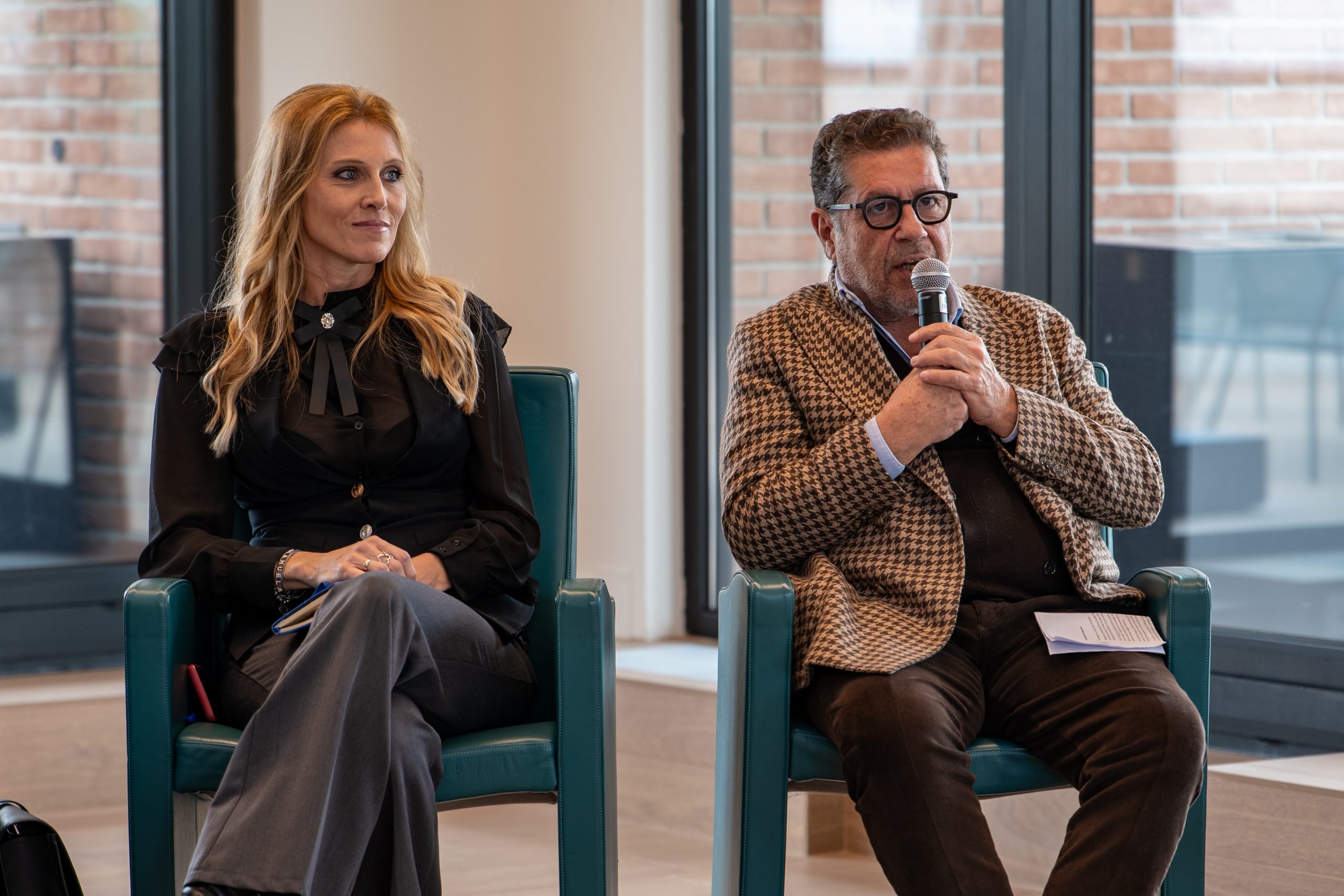
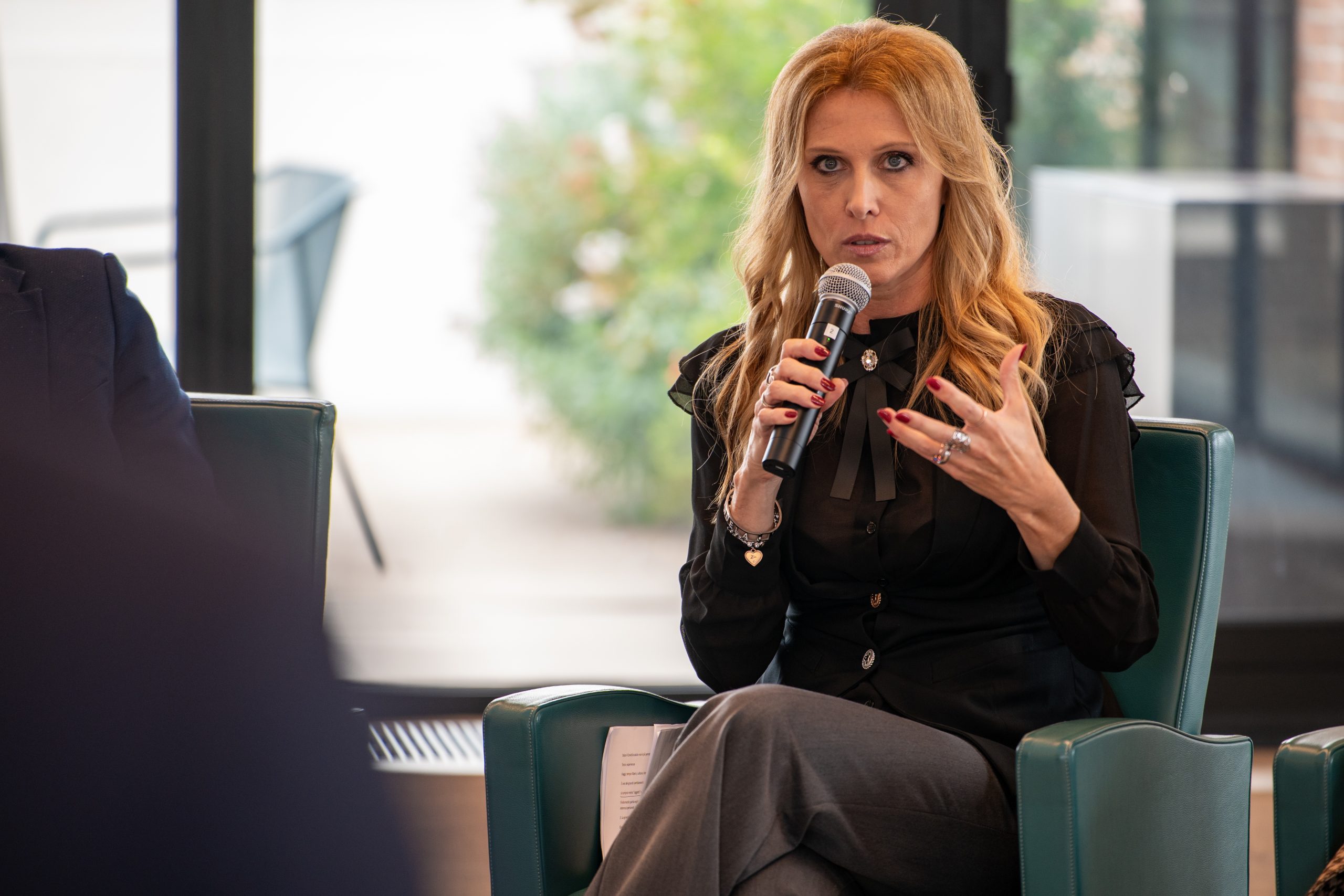
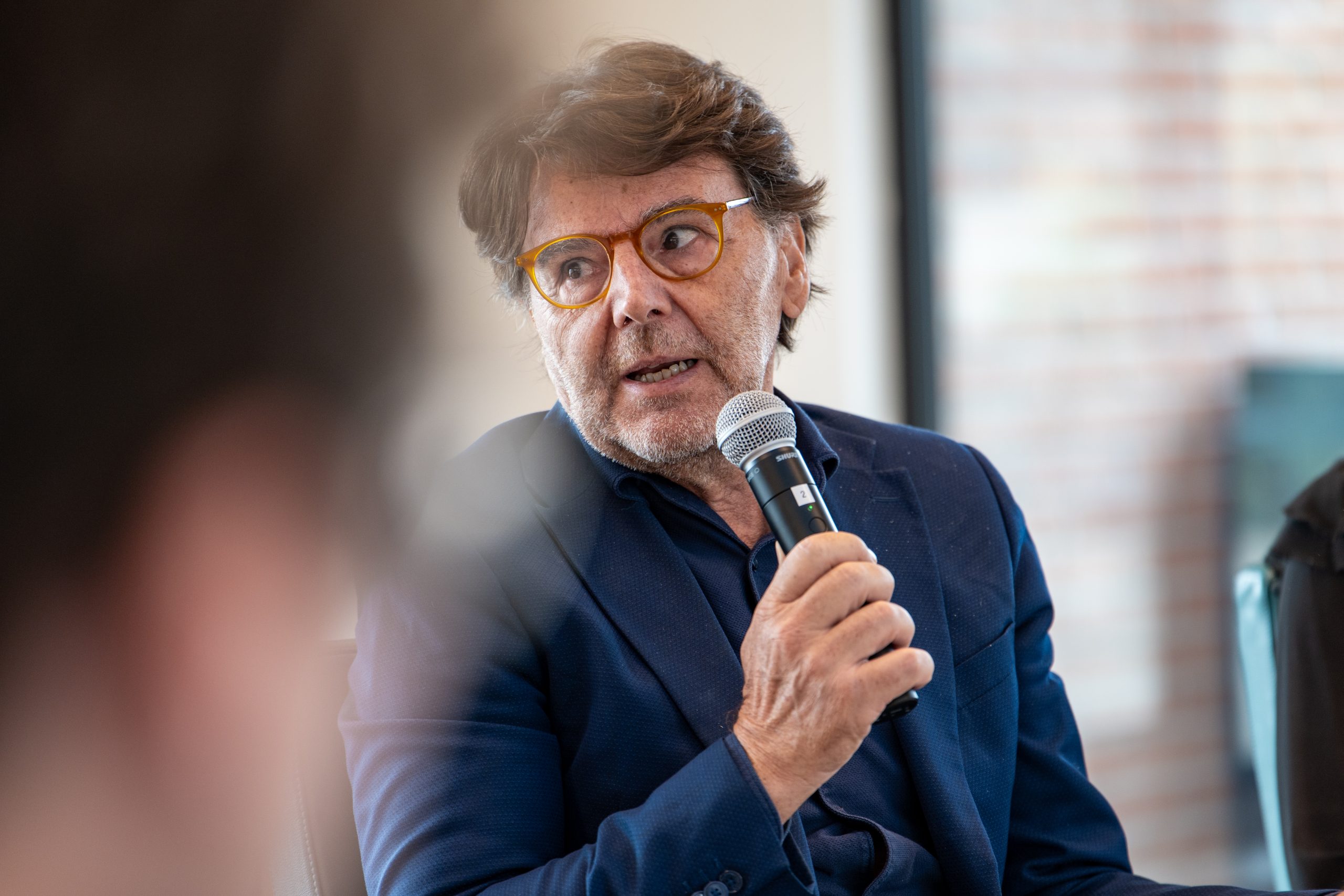
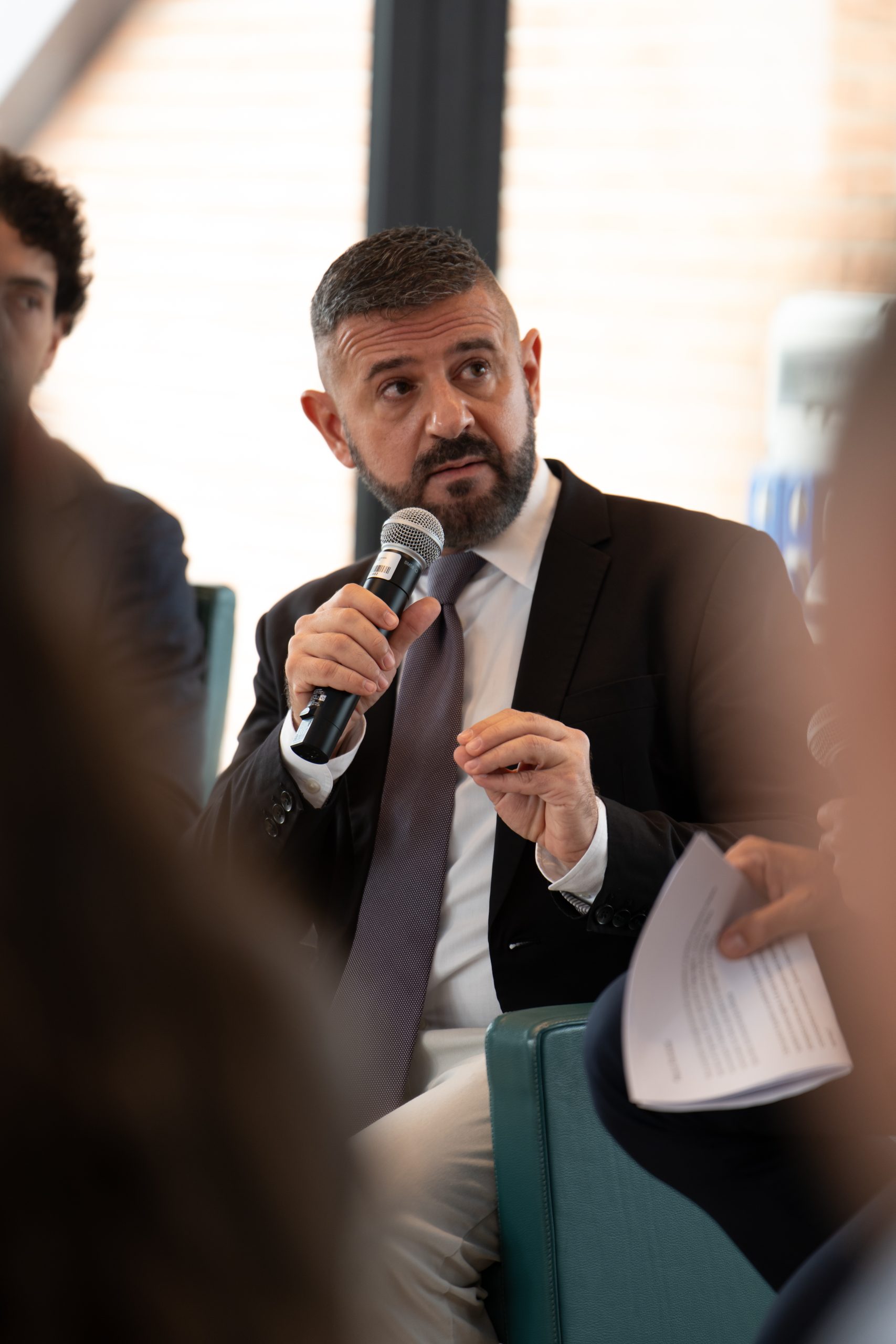
Prestige does not have to create distance. This was one of the strongest themes to emerge from the discussion, as economists, sociologists, young entrepreneurs and representatives of the Consortium explored how to maintain a product’s high perceived value while keeping it approachable. Prestige can provide a starting point for explaining the quality, care and winemaking culture behind every bottle. It does not necessarily imply exclusivity: it can be expressed through recognisable qualities and an experience that appeals to a broader audience. These are the foundations for a narrative that preserves Franciacorta’s value while creating more opportunities for consumers to discover and enjoy it.
“Ten years have passed since the previous study, and we needed updated data to understand where we stand and where we can go,” said Emanuele Rabotti, President of the Franciacorta Consortium. “There is still a vast ocean of opportunity ahead of us.” That potential also extends to awareness of the production method: 42% of respondents know what characterises the Franciacorta method, which involves a second fermentation in the bottle, while 57% know that it differs from other wines. Explaining these aspects more clearly can turn curiosity into understanding and add further substance to an already strong reputation.
For Davide Cilia of Ipsos Doxa, the way forward lies in clearer communication that helps people understand the appellation’s entire ecosystem. “It is not simply a matter of speaking to young people using youthful language,” he stressed. The aim is to explain what makes Franciacorta different by connecting its production method, identity and region of origin. It is also about broadening the range of drinking occasions: alongside celebrations and fine dining, there is room for an aperitivo or a gourmet pizza—settings in which choosing and enjoying Franciacorta can feel entirely natural.
Younger audiences therefore represent an opportunity, rather than a segment to pursue at any cost. The findings show that familiarity with the brand is stronger among consumers aged 55 to 70 and less established among those aged 18 to 34. This gap can be addressed by helping people discover more about what lies behind the wine. Leonardo D’Onofrio, a 31-year-old entrepreneur from Generation Z, referred to research conducted in a university setting: 68% of students meet friends in bars, pubs and other venues, while perceived quality is a decisive factor for one in three. These are occasions when curiosity can develop into knowledge, particularly when the story is also told through videos, social media and first-hand experiences.
Young people are interested in understanding what they drink, how it is made and the quality behind it: this was the essence of the contribution from D’Onofrio, CEO of media company eGroup and founder of University Network. Showing the work in the winery, the people involved and the stages of production can help bring Franciacorta closer to those who are less familiar with it, without oversimplifying its identity.
For Mauro Ferraresi, a sociologist specialising in consumption and an associate professor at IULM University, two key words are time and place. “Love, care and time could be powerful themes for communication,” he explained. Visiting a winery, meeting the producers and discovering the region first-hand help people understand the wine’s value, turning the appellation from a familiar name into a tangible experience. In this sense, prestige is more than an image to convey: it takes shape through direct experience and lives on through word of mouth.
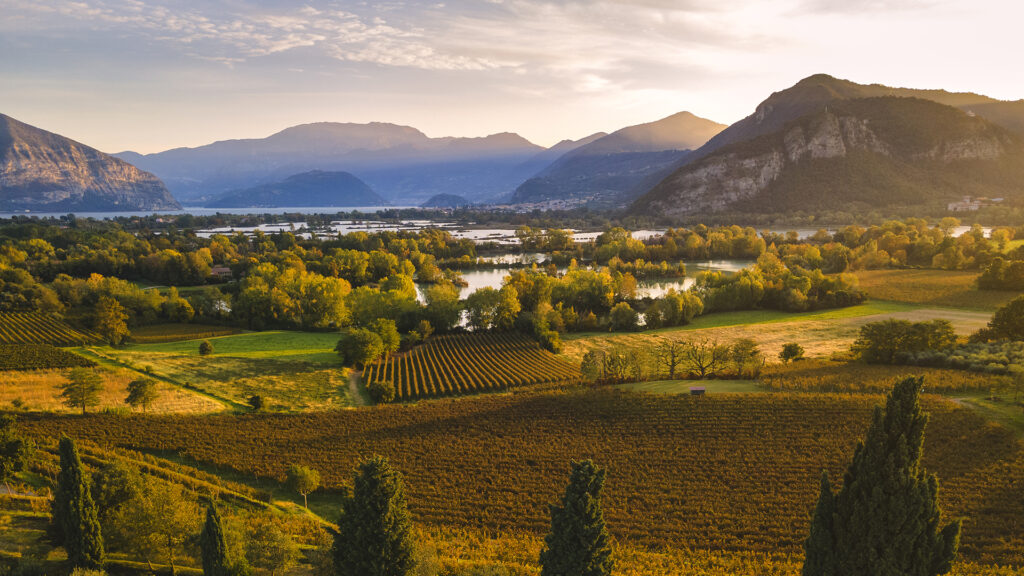
The figures confirm that there is scope to develop this relationship further. Among respondents, 32% have already visited Franciacorta, and 48% can correctly locate it between Brescia and Bergamo. Of those who have visited the region, 51% say the experience increased their likelihood of buying its wines. Meanwhile, 62% of those who have not yet been there express an interest in visiting; among them, a similar proportion believe that a visit could positively influence their future purchasing decisions. Welcoming visitors can therefore become a practical way to bring people closer to the appellation, connecting the wine with the landscape, local food culture and the stories of those who make it.
Quality remains a factor in purchasing decisions even as economic conditions change. Inflation and uncertainty may shift priorities, but they do not necessarily lead consumers to cut back across the board. This was the perspective outlined by financial journalist Manuela Donghi, who summed up the shift succinctly: “People are not consuming less; they are choosing better.” For brands, this means continuing to offer credible reasons to be chosen: quality, trust, a sense of belonging and value that consumers can recognise. In this context, prestige can be a strength precisely because it does not necessarily mean exclusivity: it rests on distinctive qualities that can be explained and shared.
The discussion moderated by Dario Maltese concluded by considering how to respond to changing consumption habits without losing what makes an appellation unique. For Rabotti, the direction is clear: engage new generations while preserving the qualities that make Franciacorta recognisable. “We need to attract young people and turn them into consumers by involving them in what we do,” concluded the President of the Franciacorta Consortium. This opens up the most promising prospect: an already strong appellation that can continue to grow by communicating its value more clearly, introducing people to its region and making prestige an increasingly shared experience.
























 responsibly
